This Article introduces how our engineer on the infrastructure support team performed the maintenance tasks on Joget and Snowflake.
1. What is JWorkflow (Joget)?
Joget is a no-code/low-code platform for developing business applications. It enables rapid development of a wide range of applications, including request and approval workflows and business process automation.
JWorkflow is the collective name for business workflow applications built on Joget.
We use several internal approval processes such as budget requests, expenses, contract management, and document approvals. JWorkflow digitizes those processes which were previously handled via paper, Excel files, or email. It enables centralized management on the web and streamlining business operations.
(Examples of Visualizing Workflows)
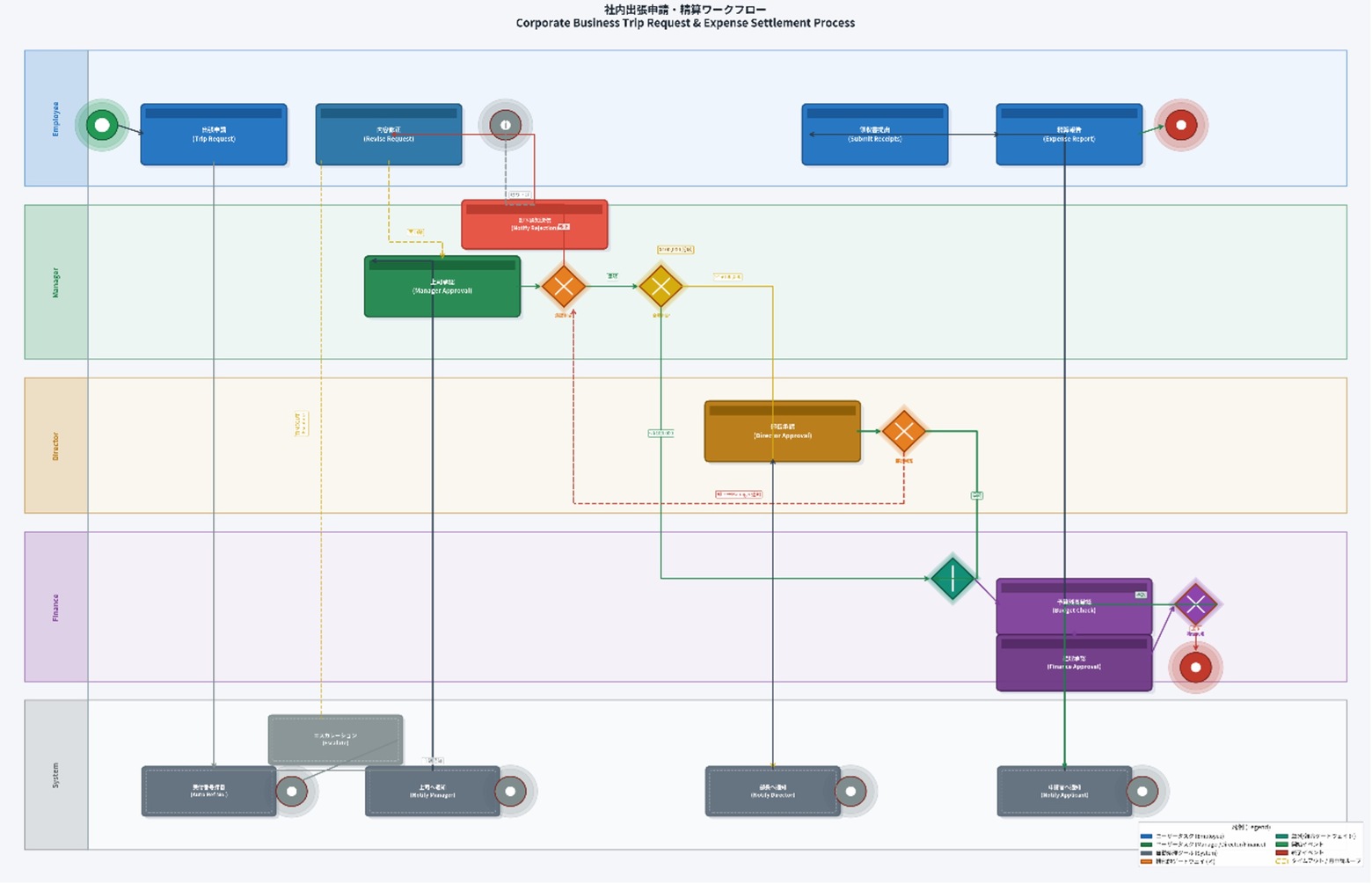
(Original)
As infrastructure engineers, our maintenance scope included a common workflow platform built on JWorkflow (Joget), designed to visualize, standardize, and manage approval and authorization processes.
Here are the key capabilities provided by JWorkflow:
-
Standardization and Visualization of Request and Approval Processes
Systematizes complex workflows, clarifying task ownership and progress to prevent missed assignments and improve processing speed.
-
Automatic Approval History Logging (Audit Compliance)
Automatically records application details, approvers, and timestamps, ensuring reliable audit trails and eliminating risks associated with paper or email-based management.
-
Flexible Workflows Adaptable to Business Changes
Accommodates organizational changes and approval rule updates through configuration alone, enabling continuous improvement without system modifications or high operational costs.
-
Cross-functional Management of Multiple Business Processes on a Single Platform
Consolidates disparate internal approval processes (budget requests, expenses, contracts, document management) onto a single platform, improving usability for end users and reducing administrative overhead.
(Joget DX Screenshot)
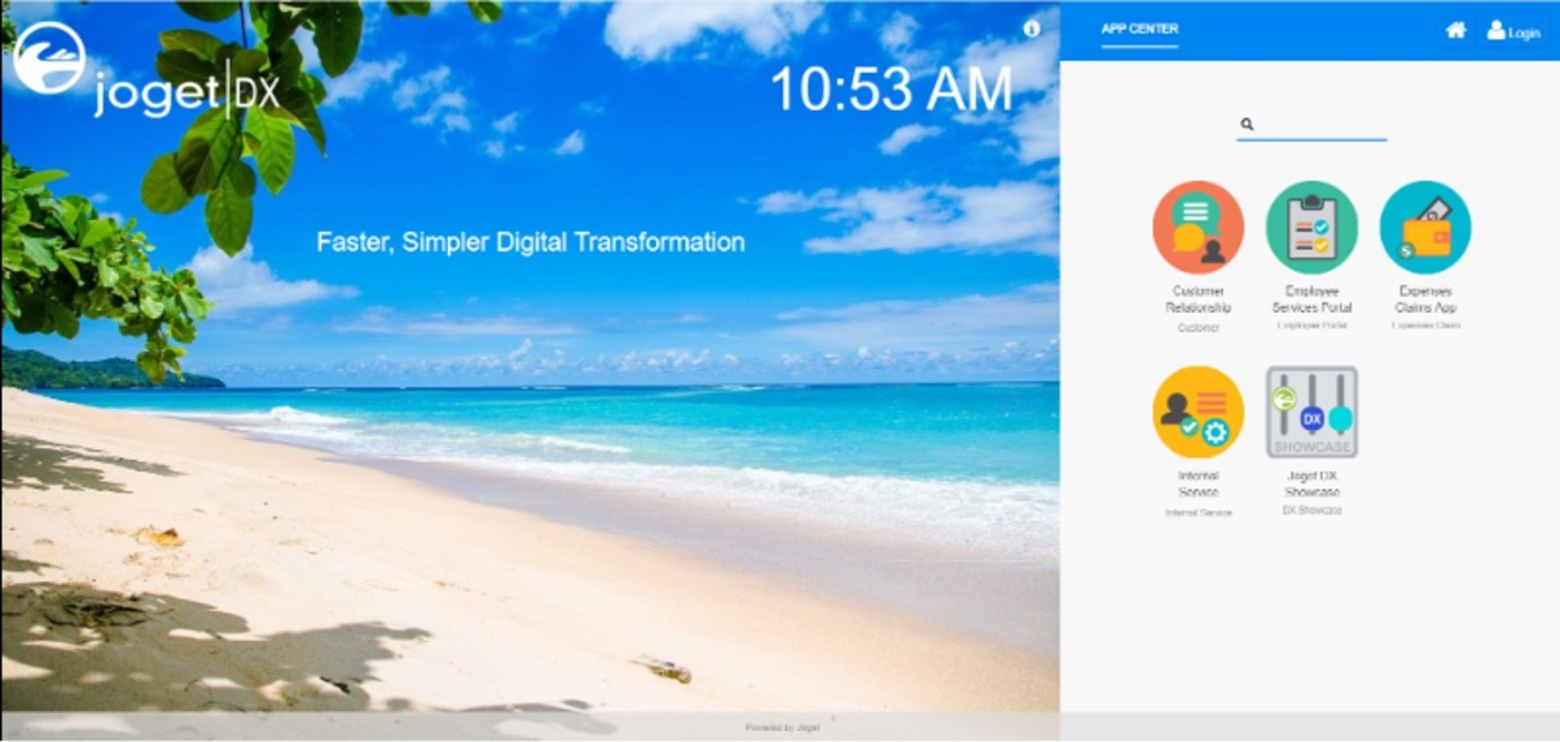
[Examples of Target Business Applications]
-
Budget Requests and Authorization
Internal application and approval procedures are digitized, streamlining the entire process from submission to final authorization.
-
Accounting Voucher Approval
Expense and billing-related vouchers are digitized, enabling easy status tracking and reducing processing time.
-
Seal and Contract Management
The stamping and approval of contracts and application forms are digitized, reducing paper-based exchanges.
-
Document Management and Approval
The creation, storage, sharing, and approval of internal documents are centrally managed, improving version control and searchability.
[Differences Between JWorkflow (Joget) Platform Operations & Maintenance and Business Application Maintenance]
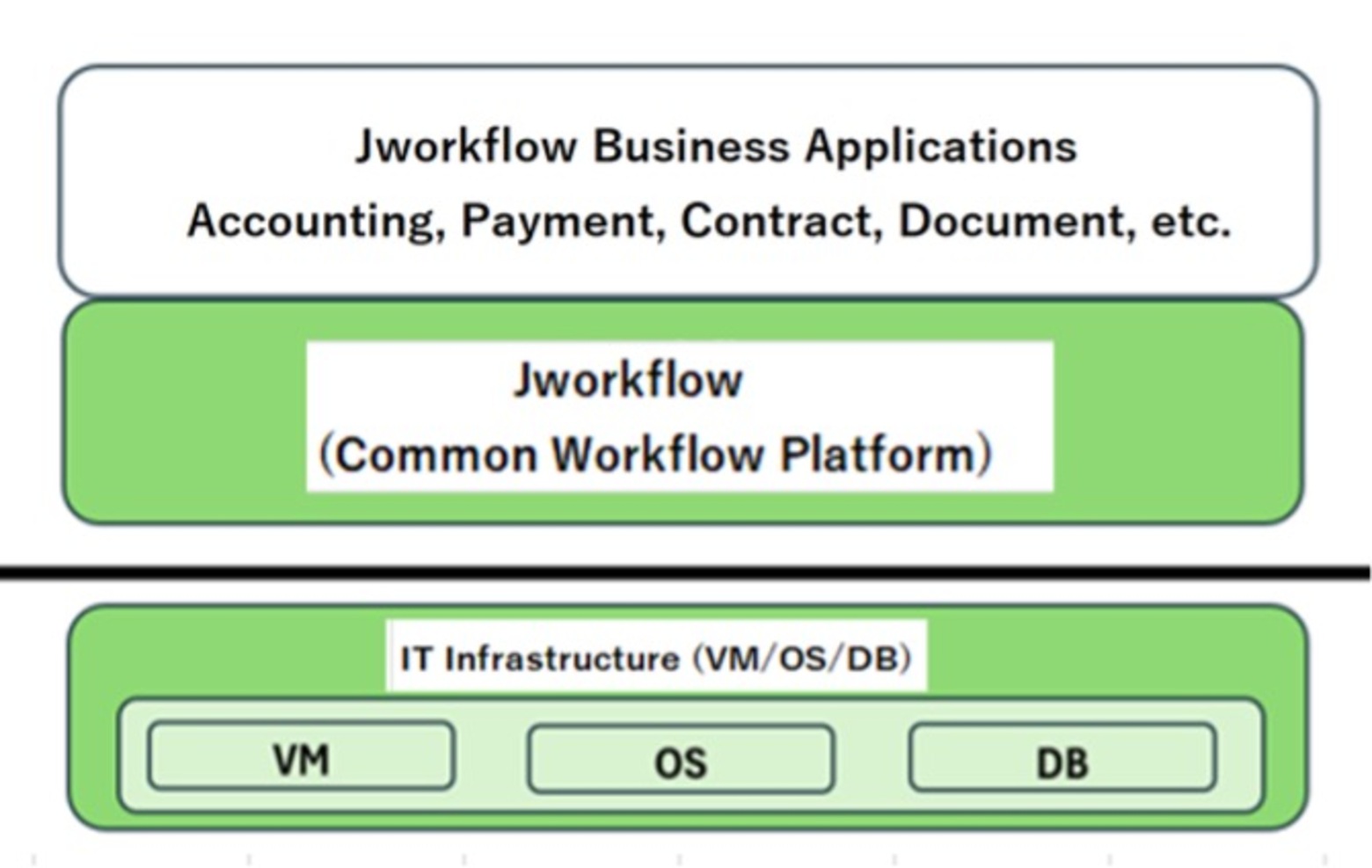
This diagram illustrates the difference in maintenance scope between infrastructure engineers and application engineers. The green sections represent areas covered by infrastructure engineers, specifically, the layers below the application level.
For JWorkflow (Joget) platform operations, we provided comprehensive support for core system components, including the Joget infrastructure, VMs, OS, and the Joget database (middleware). Operations were generally stable with no major incidents. Most work involved infrastructure tasks tied to application-side activities such as updates.
Typical inquiry categories included:
- System operational status checks
- Initial triage and response upon alert
- Log collection, log investigation, and root cause analysis
- Database inquiries and data update tasks
- Incident and failure response
Reference Site (Joget Official Website) :https://joget.com/
2. Infrastructure Maintenance Activities for Joget and Snowflake (*)
My maintenance responsibilities covered both Joget and Snowflake, the latter of which has gained significant traction in recent years.
One notable example involved an incident where the JWorkflow application became inaccessible. A customer ticket was assigned to me, and I investigated by reviewing error messages on the application side and OS-level logs, restarted the service, and confirmed that access was restored. As Joget had no Japanese support, I investigated logs and communicated with Joget support in English, then applied solutions based on their responses.
For Snowflake, the database was managed in the cloud, and requests came from customer project teams via Excel survey sheets, averaging three to four inquiries per day. These sheets specified tasks such as adding or removing users and configuring monitoring settings. In DEV/STG environments, I executed pipeline processing, where updated data is automatically processed through Snowflake and prepared for analysis, and confirmed successful completion without errors.
Managing Snowflake permission roles, granting and revoking access based on user responsibilities, also fell within my scope. Compared to pipeline processing, this was relatively straightforward.
*For more on Snowflake, see the following articles:
- What is Snowflake? A Senior Data Consultant Explains Why It’s Gaining Attention and Its Technical Features.
https://avaxia-asia.co.jp/en/info/snowflake/
- A Senior Data Consultant Explains: The Role of the Snowflake Team and the Difference Between Data Scientists and Engineers
https://avaxia-asia.co.jp/en/info/data-scientist-and-data-engineer/
- Avaxia x Snowflake: Leveraging Snowflake’s Technical Capabilities to Pioneer the Future of Data Utilization!
https://avaxia-asia.co.jp/en/info/avaxia-snowflake/
3. Principles I Follow in Daily Maintenance
Timely response to inquiries and alerts is my top priority and this holds true for all system maintenance. For Snowflake in particular, the accounts I managed required strict adherence to multiple checkpoints and procedures, all while responding promptly.
When an incident ticket is raised, I review the error message and escalate to the appropriate team as needed, always keeping the following in mind:
- Minimizing the scope of impact
- Responding quickly to enable early issue detection
- Communicating clearly and transparently with clients
- Collaborating across teams to prevent recurrence
4. The Value Avaxia’s Infrastructure Team Delivers
Avaxia’s infrastructure team specializes in system infrastructure support, covering VMs, operating systems, and databases. Beyond that, we are fully equipped to maintain the underlying infrastructure layers required by middleware platforms such as Joget and Snowflake.
By handling alert responses, resolving OS-level issues, and maintaining platform infrastructure, we give clients the confidence to focus on their core business. Our operational workflow is designed for speed, from initial triage through to full recovery, enabling fast decision-making and decisive action even within a small team.
For Joget support, Linux and SQL expertise complement Joget-specific knowledge well, with SQL applying equally to Snowflake. My hands-on Linux experience proved especially valuable, allowing me to interpret concise technical documentation quickly and respond with confidence from the very first moments of an incident.
Effective maintenance requires a team that works alongside the client every day, not just to resolve issues, but to keep the business running without interruption. At Avaxia, solution architects, system architects, and engineers with deep implementation experience work hand in hand with the maintenance team, covering everything from routine requests and incidents to complex modifications and advanced troubleshooting.